Step one. Before you protect.
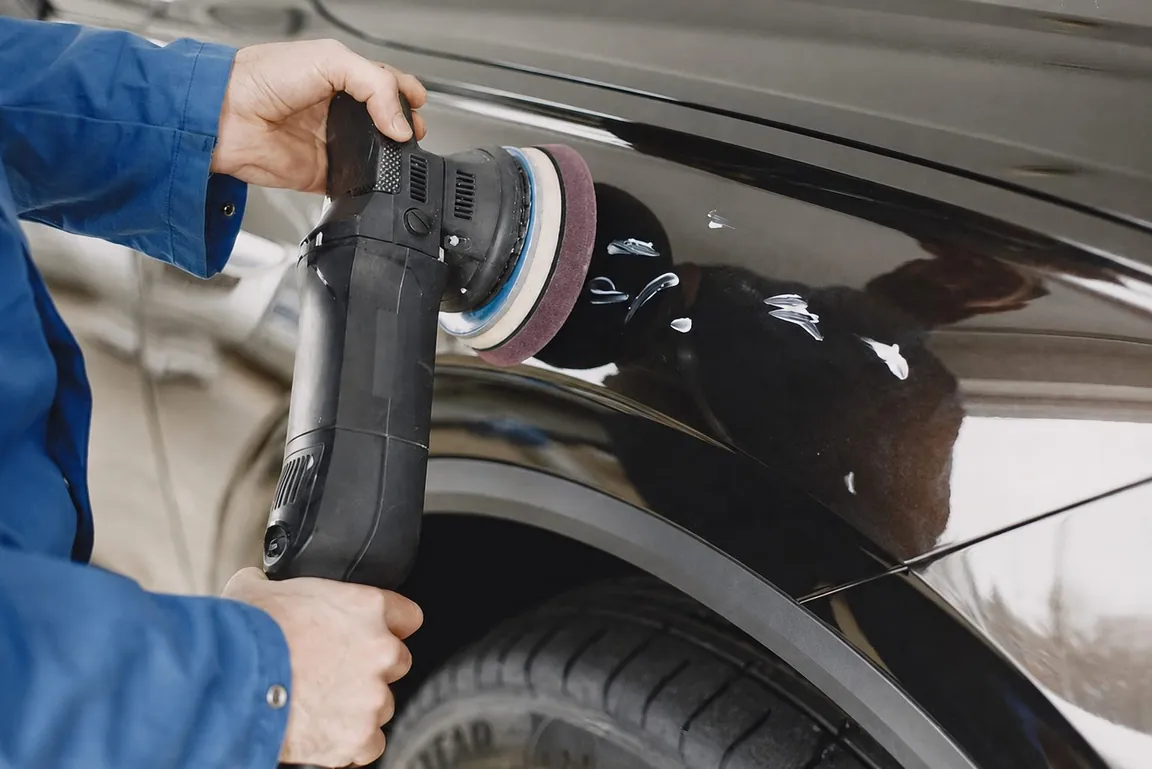
Paint correction removes swirl marks, scratches, and defects from your clear coat - restoring the finish to its best before any coating or film goes on top.
Why it matters
Protection is only as good as the paint underneath
Ceramic coatings and PPF don't hide flaws - they lock them in. Correcting first is what makes the rest of the investment worth it.
Before PPF
Film conforms to the paint at a microscopic level. Any defect underneath gets sealed in and stays visible through the film. Correct first for a flawless result. Learn about PPF →
Before ceramic coating
A coating amplifies whatever is on the surface - deep gloss if corrected, swirls and haze if not. Most professional coating packages include correction for exactly this reason. Learn about ceramic →
As a standalone
Even with no protection added afterward, correction dramatically improves how your paint looks. It's the single biggest visual transformation a detail shop can deliver. Get matched with a shop →
Common defects
What paint correction fixes
The most common defects correction addresses. Most daily drivers have at least two or three.
Swirl marks
LightCircular micro-scratches from improper washing or automated car washes. Visible as a hazy web under direct light.
Water spots
Light - MediumMineral deposits etched into the clear coat from hard water, sprinklers, or rain evaporation.
Oxidation
MediumDull, chalky look caused by UV breakdown of the clear coat over time. Common on neglected or older paint.
Holograms
MediumShimmery, rainbow-like marks left by inexperienced rotary polishing - a sign of rushed or sloppy correction.
Random deep scratches
Medium - HeavyIsolated scratches from keys, branches, or debris. Correctable if they haven't broken through the clear coat.
Heavy marring
HeavyA dense pattern of scratches from years of poor wash technique, brush washes, or neglect.
Levels of correction
Not every car needs the same treatment
A good shop recommends the level your paint actually needs - not the most expensive option. These are typical published market ranges.
Single-stage polish
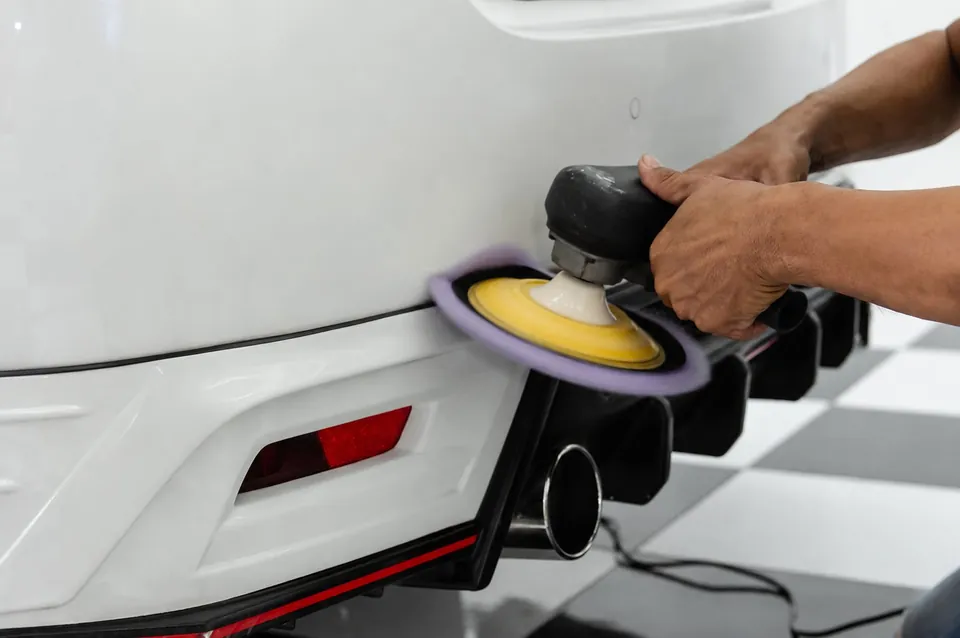
A one-step polish that removes light swirls and restores gloss. Not a full correction - it improves the overall appearance without chasing every defect.
Best for: Newer vehicles with light wash marks, or a maintenance polish between deeper corrections.
Two-stage correction
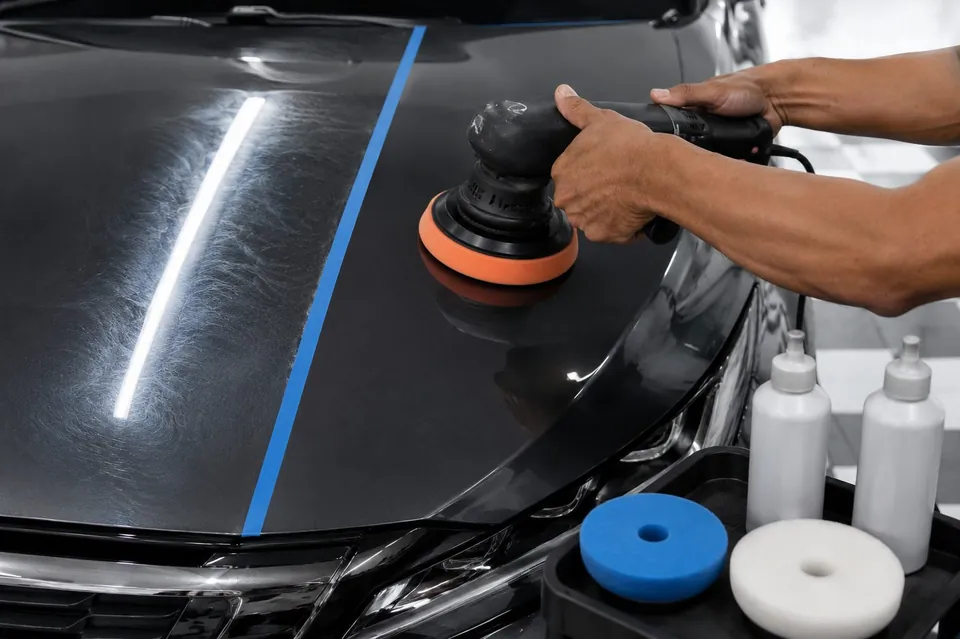
A compound step to cut through defects, then a finishing polish to refine the surface. The industry standard for pre-coating and pre-PPF prep.
Best for: Daily drivers before ceramic or PPF. The sweet spot between results and value.
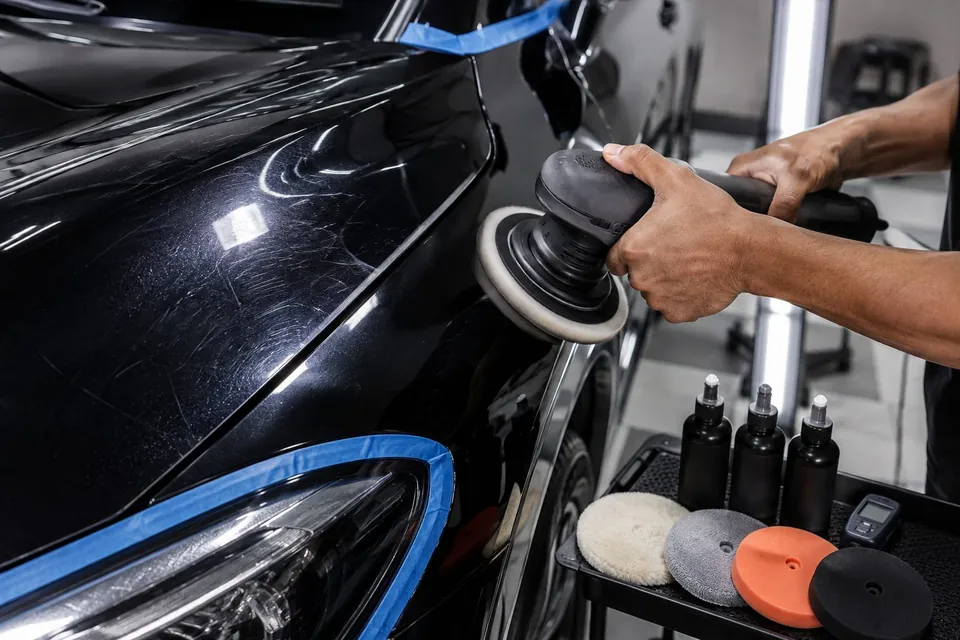
Multi-stage correction
Three or more polishing stages using progressively finer abrasives. Each pass targets a different depth of defect, producing a near-flawless finish.
Best for: Show cars, concours prep, dark paint where every flaw shows, or heavily neglected vehicles.
Ranges are typical published market prices and vary by vehicle size, paint condition, and region. How we source pricing →
The process
What happens during paint correction
This isn't a quick buff in the parking lot. Done right, it's a controlled, meticulous process that can take a full day.
Decontamination wash
A thorough multi-stage wash removes surface dirt, followed by a clay-bar treatment to pull embedded contaminants out of the clear coat.
Paint inspection
Under high-intensity lighting, the technician maps every defect - swirls, scratches, water spots, oxidation - to plan the approach.
Test spot
A small area is corrected first to dial in the right pad and compound for your specific paint type and hardness.
Compounding
A cutting compound with a machine polisher removes the damaged layer of clear coat, leveling the surface around scratches and swirls.
Finishing polish
A finer polish refines the surface left by compounding, removing micro-marring and bringing out maximum clarity and depth.
Final inspection & prep
The corrected paint is checked under multiple light angles, then wiped with panel prep to remove oils before coating or film goes on.
The difference
Why shops recommend correction first
With correction before protection
- ✓Defect-free surface for film or coating to bond to
- ✓Maximum gloss and depth locked in for years
- ✓Your protection investment is fully realized
- ✓No regret from visible swirls trapped under film
Without correction
- !Swirls and scratches sealed under protection permanently
- !The coating amplifies existing defects instead of hiding them
- !PPF conforms to every flaw - they stay visible
- !Fixing later means removing protection, correcting, and re-applying
FAQ
Common questions about paint correction
Do I need paint correction before PPF or ceramic coating?
How much does paint correction cost?
Will paint correction damage my clear coat?
How long does paint correction last?
Can every scratch be removed?
Is paint correction the same as buffing?
Ready to start?
Correct first. Protect second.
Whether you're planning PPF, ceramic coating, or both - correction is the foundation. Tell us about your vehicle and we'll help you plan the right prep and match you with a vetted shop as our network opens near you.