
Find your vehicle's right-sized protection
Whether you just picked up a new Tacoma or a new 911, the questions are the same - only the stakes change. Recommendations based on real-world driving, your vehicle's paint, and how you actually use it, not the biggest package a shop can sell.

By how you actually drive
What to protect first
The right first move depends on your vehicle class and how you use it. Every situation is a little different - here is the honest breakdown, from a daily Tacoma to a new Porsche.
| Your situation | What to protect first | Why it matters |
|---|---|---|
| Highway commuter CR-V, RAV4, Camry, F-150, Silverado |
Full-front PPF Hood, bumper, full fenders |
Rock chips concentrate on the leading edges at highway speed. Full-front film covers where 80–90% of chips land - and edges tuck at natural body lines so there is no visible film line. |
| Just took delivery Any new vehicle, before the first road trip |
Full-front PPF before the first highway mile | Factory paint is at its best the day you drive off. A chip on day three is permanent. Film installed before chips start means the paint underneath stays perfect for the life of the vehicle. |
| Truck or work vehicle F-150, Tundra, Tacoma, Ranger, work SUV |
Extended-front PPF plus rocker panels | Gravel from construction sites and unpaved roads hits the rockers and lower panels hard. Standard front-only coverage misses them. The extra panels add modest cost for real protection where trucks take hits. |
| Performance or premium car Porsche, AMG, BMW M, Corvette, Model S Plaid |
Full-front or full-body PPF | Performance paint is typically softer and thinner. A color-matched respray on a performance vehicle can run $2,000 or more per panel. Full-front film makes that a non-issue; full-body eliminates any gap between protected and unprotected paint. |
| Garage-kept or mostly local Weekend car, short commutes, low highway miles |
Full-vehicle ceramic coating | Low chip risk from local driving, but UV and contamination still dull paint over time. A professional coating makes washing fast, protects the clear coat from UV and water spotting, and adds lasting gloss - for a fraction of full PPF cost. |
See what each option typically costs on our pricing page. When you are ready to find a shop, our guide on evaluating a PPF installer walks through the exact questions that separate a certified, experienced shop from a mediocre one.
Browse guides
Select your vehicle
Tap any vehicle to reveal our tailored recommendation.
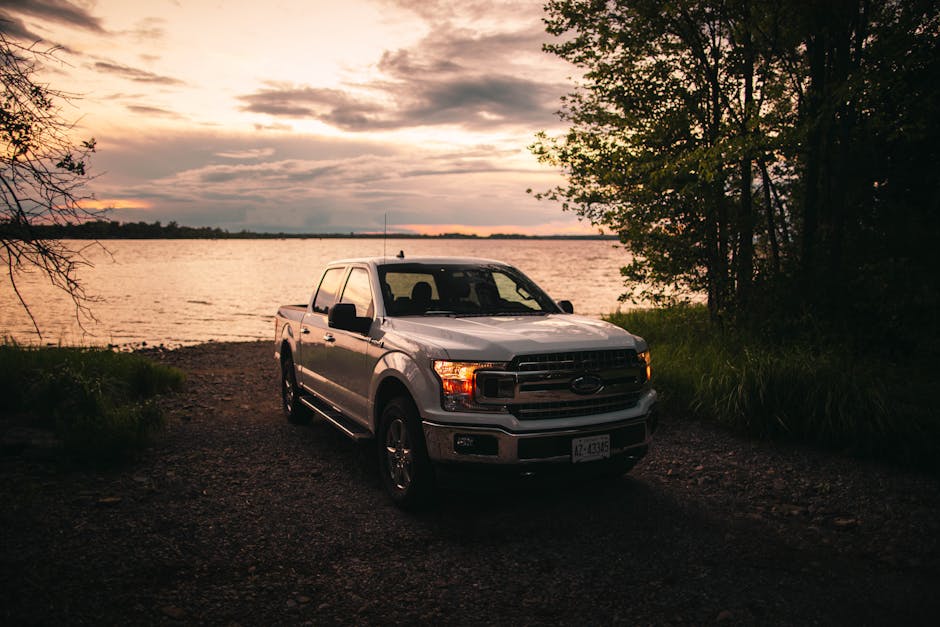
Ford F-150
America's best-selling truck faces rock chips, highway debris, and jobsite exposure.
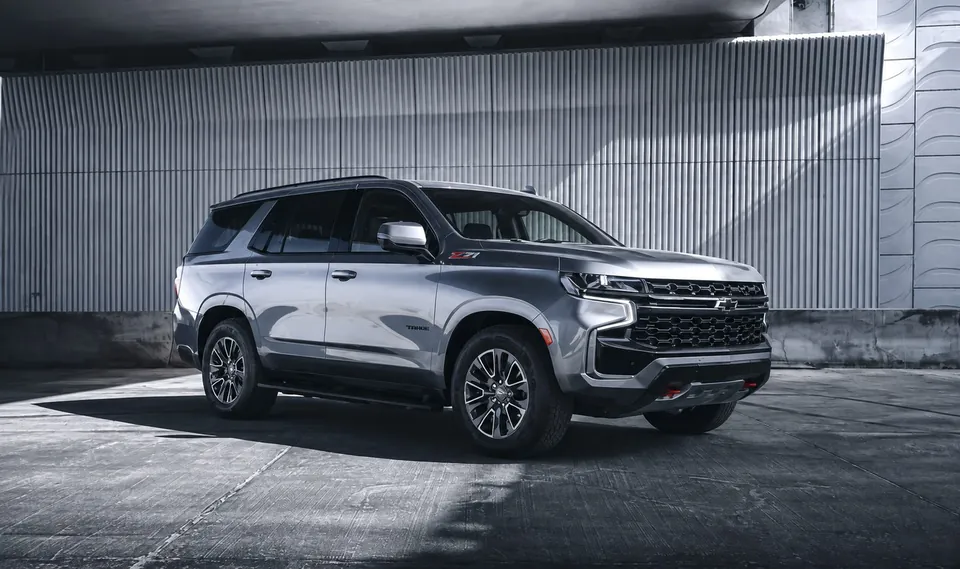
Chevrolet Tahoe / Suburban
Family SUVs facing parking lots, road trips, and years of daily use.

Tesla Model Y
Tesla's factory paint is notably thin and soft.
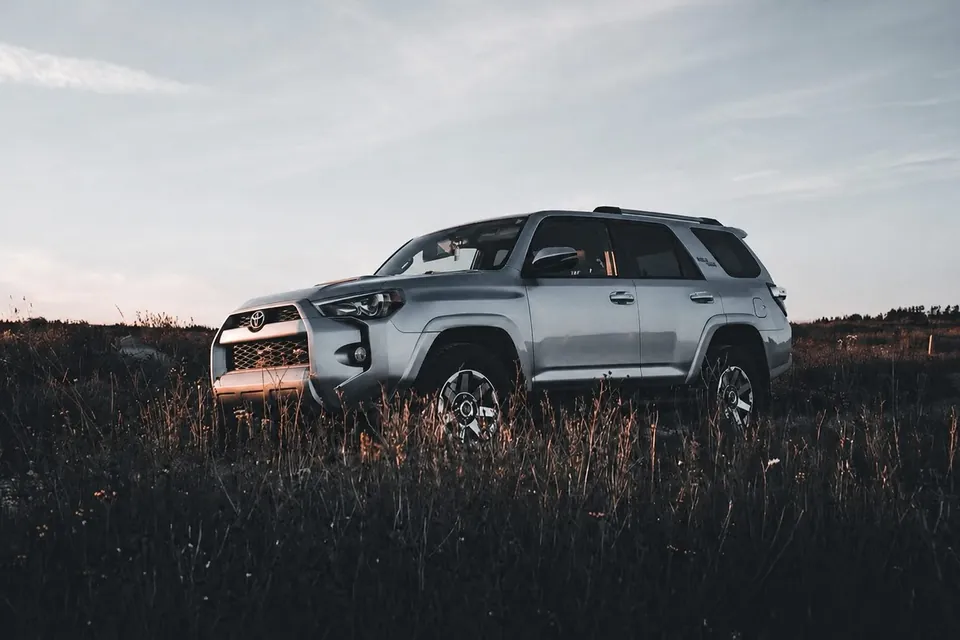
Toyota 4Runner
Adventure vehicles seeing both highway and trail conditions.

Toyota RAV4 / Honda CR-V
The most popular daily commuters - practical protection for practical vehicles.
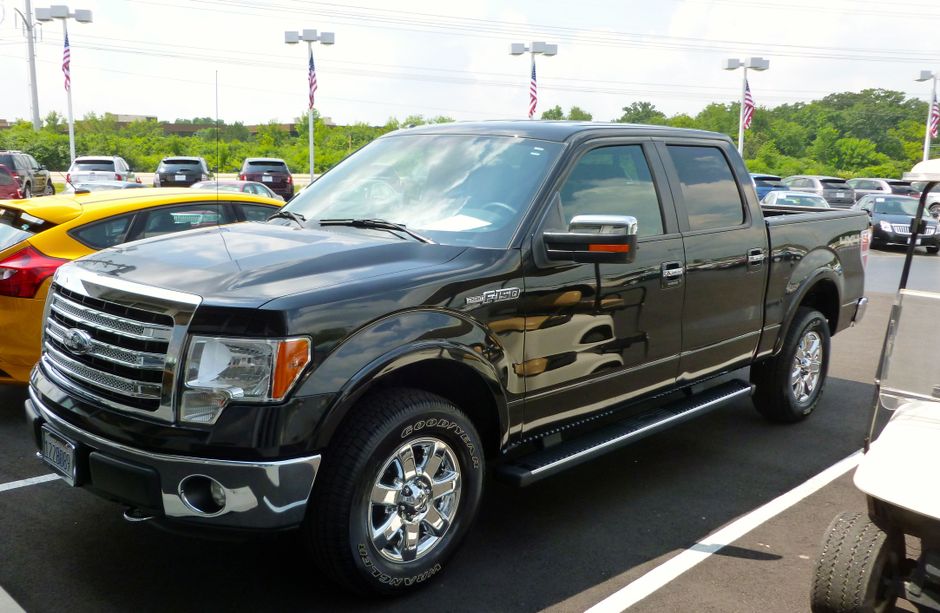
Work / fleet vehicles
Vehicles that earn their keep deserve paint that holds up.
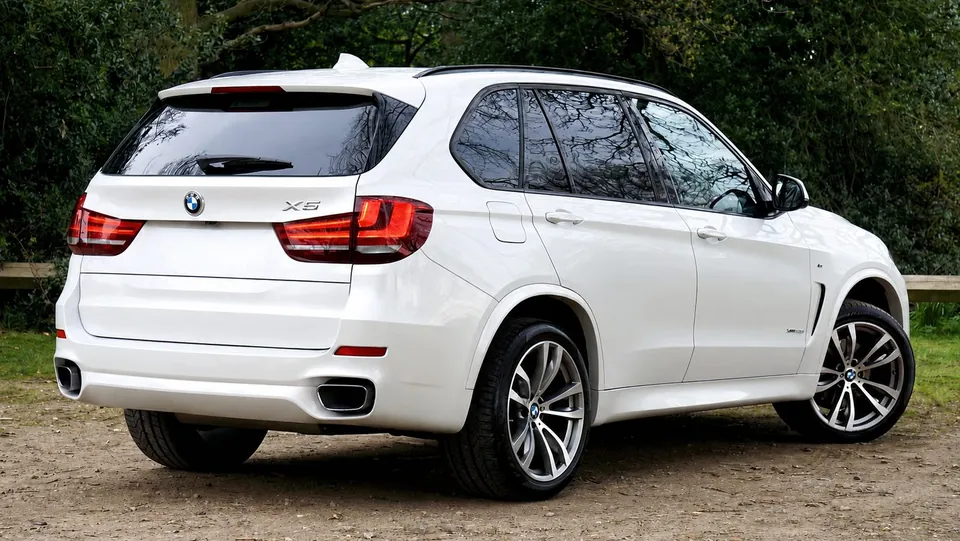
Sports, performance & luxury cars
Soft, thin, or dark finishes that show every mark - and cost the most to refinish. Same questions, higher stakes.
When people reach out
The moments protection matters most
These are the same whether you drive a new CR-V or a new Cayenne - and they're the best time to act.
Just took delivery
Factory paint is at its best the day you drive off. Protecting it before the first parking lot and first highway trip keeps it that way.
Before your first road trip
Highway miles are where rock chips happen. Front-end PPF before a big drive is the simplest insurance for the panels that take the hits.
After your first rock chip
One chip is usually the wake-up call. We'll tell you what's worth protecting now, what can wait, and how to handle what's already there.

Why it matters
Every vehicle tells a different story.
Paint-specific
From a soft-paint Model Y to a dark-paint AMG, we know which factories use softer clear coats, which colors show every swirl, and what each vehicle actually needs.
Condition-aware
Sun, highways, gravel roads - we factor in the real conditions your vehicle faces where you live.
Honest advice
Not every vehicle needs full PPF. We'll tell you what actually makes sense for how you actually drive.
Honest advice
When protection is not the smart call
Not every vehicle needs PPF or a coating. Here are the three situations where the honest answer is to skip it or wait.
High-mileage vehicle with existing paint damage
If your paint already has chips, heavy swirl marks, or fading, the first move is paint correction - not protection on top of a damaged surface. Fix the paint first, then protect it if the vehicle's value and your ownership timeline justify the spend.
Short-term lease with mostly local driving
A 24-month lease where you drive mostly local roads at low speeds carries very low chip risk. A coating is still worth considering for easier washing and UV protection, but full-front PPF is hard to justify on a vehicle you will return in two years. The budget is better saved or put toward the next car.
Selling in the next few months
A quality coating or PPF installation does add to resale appeal - but a vehicle you plan to sell in the next three to four months likely will not have enough time for the investment to pay off. A thorough professional detail and any minor touch-ups are usually the better move for a quick turnaround.
We are not a shop - we do not install anything or earn commissions on work you book. Read how we make money and why that keeps this advice honest. If you are in Florida, our local directories for Tampa and Orlando list the installers in each market with their locations, services, and public Google ratings.
Don't see your vehicle?
Tell us what you drive. We'll tailor a recommendation.
Every vehicle and situation is unique. We'll match protection to how you actually use it.