
How to Read a Window Tint Quote (Without Getting Upsold)
The shade, the specs, the warranty, and the law - what a tint quote is really telling you, and the questions that separate a fair price from an upsell. We're not a shop, so this is straight.

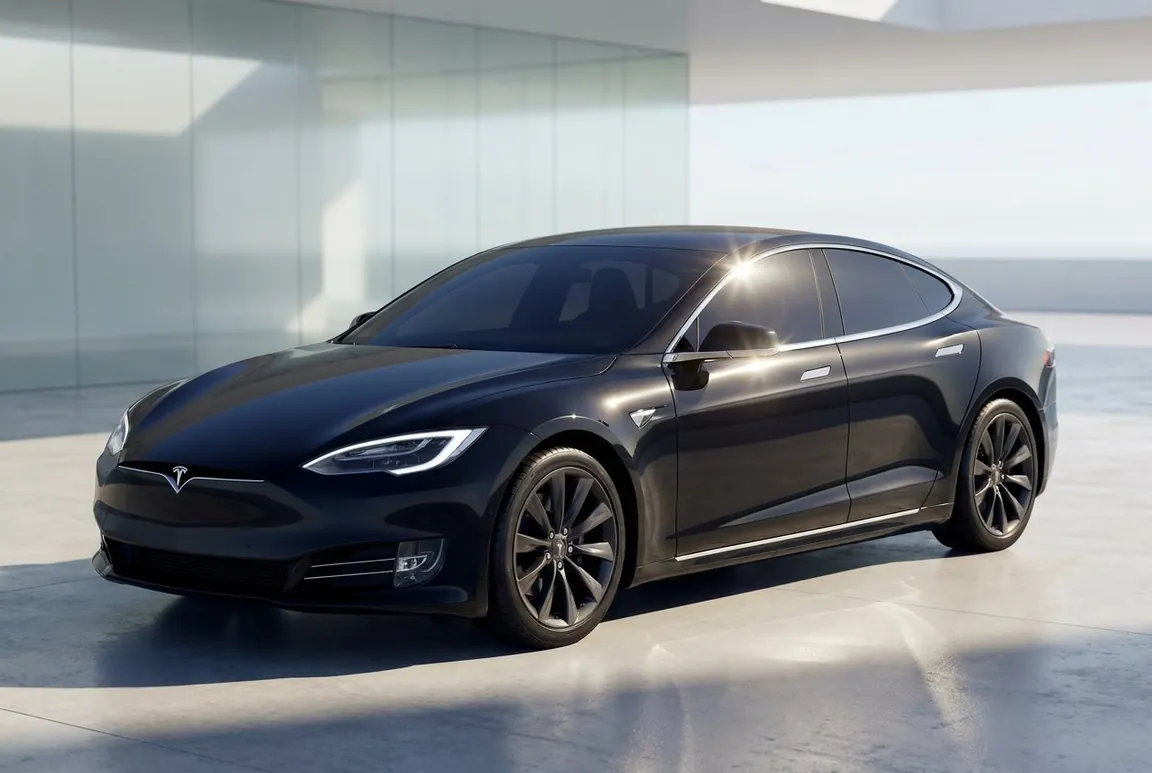
Two shops quote your car for tint and the prices come back $150 apart. Is one ripping you off, or are you comparing two completely different things? Usually it is the second one. A tint quote quietly bundles the film type, the heat specs, the warranty, and the legal shade - and shops do not always spell out which is which. We are not a shop and we do not sell film, so here is how to read a quote line by line and tell a fair one from an upsell.
Shade and heat are two different things
The most common misread is assuming a darker window is a cooler one. It is not. Darkness is measured as VLT - visible light transmittance - and a lower number means less light gets through, so 5% is limo-dark and 70% is nearly clear. VLT controls the look, plus some glare and privacy. It does not decide how much heat you feel. Two windows at the exact same darkness can reject wildly different amounts of heat depending on the film. Pick your shade for the look, and judge the heat separately.
The two heat numbers - and which one shops love to quote
Here is where quotes get slippery. There are two different heat figures, and they are not the same:
- Infrared (IR) rejection - the big, flashy number, often 80 to 90%. It measures only one slice of the sun's energy: infrared heat. It is real, but it is the figure that makes a film sound better than it is.
- Total Solar Energy Rejected (TSER) - the honest whole-picture number, and always lower, often 40 to 70%. It accounts for all of the sun's energy the film blocks, not just infrared.
A shop can truthfully advertise '90% IR rejection' on a film whose total heat rejection is closer to 50%. Neither number is a lie - but if you only hear the IR figure, you are not comparing apples to apples. Ask every shop for the TSER, not just the IR number, and compare quotes on that.
The three film tiers, from entry to top
Most shops sell three levels. Same shade options at every level - the difference is heat and durability, not darkness:
- Standard (dyed) - the entry film. Gives you the shade, glare control, and 99%+ UV protection any tint provides, and a good color-stable version carries a warranty against fading. It rejects the least heat, and cheaper dyed films can fade or turn purple over time.
- Carbon - a durable step up that rejects noticeably more heat than dyed film, holds its color, and costs a bit more.
- Ceramic - the top tier. Same look, but it rejects the most heat you actually feel - often 60 to 70% total solar and up to around 90% of infrared - so the cabin stays cooler. It carries the highest price.
In a hot, high-UV state like Florida, that heat difference is worth real money in comfort and A/C load, so many owners step up from dyed to carbon or ceramic. But the entry film is a legitimate choice - the right answer is the honest tradeoff for how you drive, not the most expensive line on the menu.
What the warranty actually covers
Almost every shop says 'lifetime warranty.' The real question is lifetime against what. Most tint warranties cover manufacturing defects - bubbling, peeling, cracking, and fading or color change - and a quality film simply should not do those things. That is different from accidental damage. Some shops offer a separate, optional warranty that covers scratches, tears, or glass breakage. Ask which one you are getting, whether it transfers if you sell the car, and get it in writing.
Florida's legal limits (and a red flag to watch for)
The law caps how dark you can legally go, and that is not up to the shop. In Florida, as of 2026, front side windows must let in at least 28% of light, and back side and rear windows at least 15%. The windshield may only carry a narrow non-reflective strip along the top, above the manufacturer's AS-1 line. There are also limits on how reflective (mirror-like) the film can be, and medical exemptions exist. If a shop shrugs and offers to tint your fronts 'as dark as you want,' that is a red flag - they are offering to sell you a ticket. Limits differ by state, so confirm the current law for where you drive.
The questions that separate a fair quote from an upsell
- What is the film's TSER, not just the IR number?
- Which tier is this - dyed, carbon, or ceramic - and what does the price difference buy me in heat rejection?
- Does the warranty cover accidental damage, or only defects? Is it transferable?
- What VLT are you installing on each window, and is it street-legal here?
- Is there a charge to remove old tint, and are prep and a cure-time heads-up included?
The shop matters more than the film. A top-tier ceramic installed with dust under it, gaps at the edges, or a purple cast at the seams looks and performs worse than a mid-tier film installed cleanly. Pick the installer first, then the film.
A good tint quote is easy to read once you know what each line means: the shade, the real heat number, the tier, the warranty, and a legal VLT. If a shop can answer those five questions straight, you are probably in good hands. Want help lining up your options? Tell us what you drive and we will show you the tiers and connect you with a vetted shop for a real quote.
Sources
- Florida window tint law - Florida Statutes 316.2951-316.2956 - State VLT and reflectivity limits
- Florida Highway Safety and Motor Vehicles - window tinting overview - State summary of legal tint
- International Window Film Association - film performance terms (VLT, TSER, IR) - Definitions of the heat-rejection metrics
About the author
Nick Sakkis, Founder
Nick Sakkis is the founder of Paint Protection Pros. A car enthusiast who spent half his professional career in the car audio industry, he built this site so the average owner could get every answer they need before spending thousands protecting what drives them.
Paint Protection Pros is an independent resource - not a shop. Our guidance is based on public spec sheets, warranty documents, published shop pricing, and installer feedback. Paid relationships are always disclosed, and money never buys a grade or a ranking.
Put it to use
Get a recommendation for your exact vehicle.
Tell us what you drive and how you use it - we'll give you a straight, right-sized answer and match you with a vetted shop as our network opens near you.