
Is PPF Worth It? An Honest Answer by Driving Profile
PPF earns its cost for daily highway commuters on newer vehicles they plan to keep. It is not worth it for low-mileage weekend cars, leases, or older vehicles. Here is the honest decision framework the installer page will not give you.

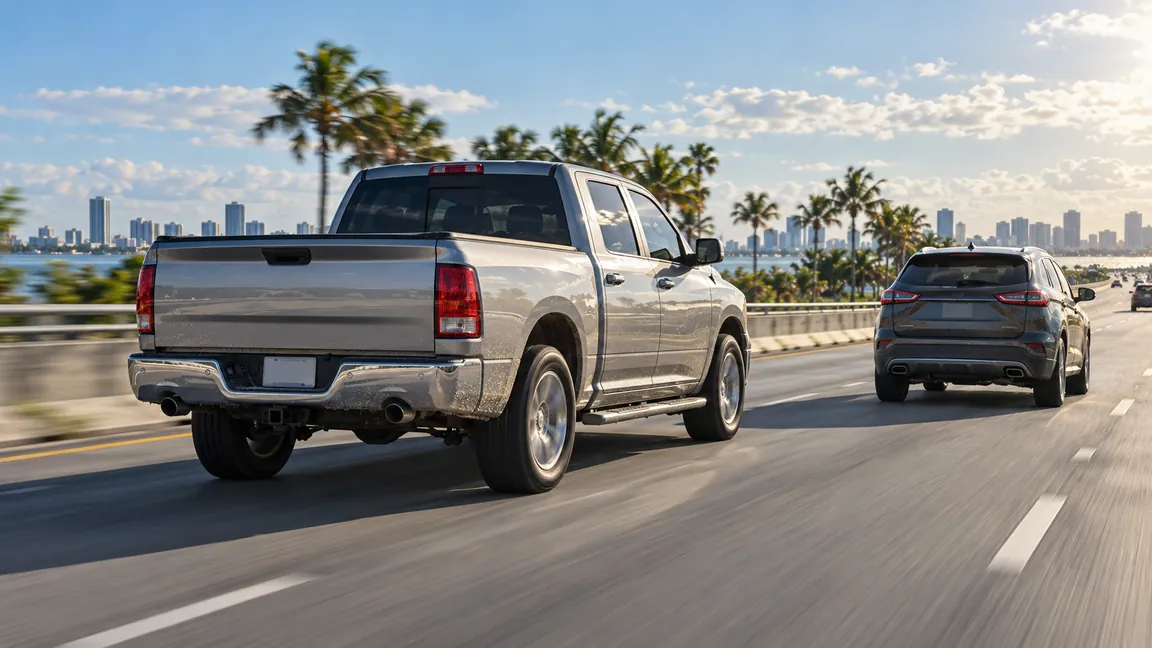
Paint protection film is worth it if you put real highway miles on a vehicle you plan to keep for several years - a new Tacoma commuting daily or a new 911 you want to protect for the long term. It is not worth it on a low-mileage weekend car, a lease, or a vehicle you plan to sell within the next year or two. Your driving profile and ownership plan matter more than what the car cost.
Paint protection film - PPF - is a clear urethane layer applied directly over your paint. It absorbs road debris, resists minor scratches, and self-heals light surface marks with heat. Full-front coverage (front bumper, hood, and fenders) runs roughly $1,500-$2,500 for most vehicles; full-body coverage can run $5,000 or more depending on the vehicle (see our PPF cost guide for sourced ranges). Whether that cost makes sense depends almost entirely on how you use the car and how long you plan to keep it.
What PPF stops - and what it does not
- Stops: highway rock chips and road grit on covered panels, minor scratches and surface abrasion, bug-acid etching before it reaches the paint, bird-dropping staining on covered areas.
- Reduces but does not eliminate: a large or sharp rock at highway speed can still mark or tear through film - the film takes the damage instead of the paint, but the film itself can still be damaged.
- Does not cover uncovered panels: a partial-front install leaves door sills, the roof, and the rear bumper fully exposed. Chips happen where there is no film.
- Not a dent shield: PPF protects paint surfaces, not the metal panel underneath.
Is PPF worth it? A decision by driving profile
The honest answer is that most PPF decisions come down to two questions: how many highway miles do you put on the vehicle per year, and how long do you plan to own it? Dealer pitches and installer pages rarely ask these questions - they treat every car as a candidate. The table below lays out where PPF clearly earns its cost and where it does not.
| Driving profile | Verdict | Protect first | Why |
|---|---|---|---|
| Daily highway commuter, 30+ mi/day on a newer vehicle | Yes | Front bumper and hood at minimum | Rock chips accumulate fast on consistent highway miles; front-end coverage pays for itself over three to five years on a car you plan to keep |
| Mixed suburban use, occasional highway | Maybe | Front bumper to start | Lower chip exposure than a dedicated highway commuter; a bumper-only install is a sensible starting point - assess wear after 12 months |
| Weekend car, garage-kept, mostly city roads | Probably not | If anything, bumper only | Chip frequency is low at city speeds; ceramic coating for gloss and UV protection is often a better fit for this use case |
| Lease or ownership under two years | Probably not | Skip | The cost rarely recovers in this ownership window; some leases also restrict modifications - check the agreement before booking |
| Long-term keeper or high-value vehicle (5+ years) | Yes | Full front or full body | For a vehicle you are keeping long-term, full-front film and a ceramic topcoat is the standard protection combination |
When partial coverage is the right starting point
The front bumper alone - the panel that absorbs the highest concentration of highway debris - is a legitimate starting point for any driver on the fence about a full-front package. It costs significantly less than full-front coverage while protecting the single highest-risk panel, and it is easy to add the hood later. For a daily commuter who is not ready to commit to a full install, starting with the bumper and evaluating after 12 months is a common and sensible path. The coverage levels guide walks through what each tier includes and what it leaves exposed.
DON'T GET SOLD: You will almost certainly be offered PPF in the dealership's finance office on delivery day. Most dealers subcontract the install to a third-party shop, and the markup built into a dealer finance package can be significant. You are not obligated to decide on delivery day - film can go on within the first week or month with no difference in results. Before agreeing to any dealer add-on, ask for the specific film brand and model number in writing, then get a comparison quote from an independent XPEL-certified or SunTek-certified shop. Our full breakdown is in the dealership PPF guide.
When PPF is not worth the money
- Short ownership or lease: if you plan to sell or return the vehicle within 12 to 18 months, the cost rarely recovers in resale value improvement. Some leases also restrict modifications or charge for non-factory film at turn-in.
- Low annual mileage on good roads: a car logging 5,000 miles per year on well-maintained suburban streets accumulates chips slowly. Ceramic coating and good washing habits may be sufficient protection for this use case.
- Older paint with significant existing damage: PPF applied over scratched, oxidized, or heavily-swirled paint locks in the damage. Paint correction before film adds cost that may not be justified on a higher-mileage vehicle.
- A second car you rarely drive: weekend-only or occasional-use vehicles that stay covered most of the year accumulate minimal chip damage. A coating is often sufficient, and the film cost is hard to justify.
- No plan for ongoing upkeep: film requires proper maintenance - correct washing technique, avoiding certain chemicals, and re-sealing edges over time. A film install that is not maintained deteriorates faster and delivers less value.
What to do next
If your driving profile clears the worth-it threshold - highway miles on a vehicle you plan to keep for several years - the next decision is how much to cover. For a new Accord commuting daily or a new M3 you want to keep pristine, the answer is usually front bumper and hood at a minimum. Use the coverage levels guide to see what each tier protects and what it leaves out. When you are ready to connect with a verified installer in Florida, tell us about your vehicle and we will match you with shops as our network opens.
Frequently asked questions
Is PPF worth it for a daily driver?
Yes, for most daily drivers logging highway miles on a vehicle they plan to keep for three or more years. Rock chips are a function of highway speed and debris exposure - a new Tacoma or a new BMW 3 Series commuting daily accumulates damage faster than almost any other use case. A front bumper and hood install is the minimum sensible coverage for a highway commuter.
Is bumper-only PPF worth it?
Yes, and for most drivers it is the right starting point. The front bumper absorbs more road debris than any other panel at highway speed. Protecting just the bumper costs significantly less than full-front coverage while guarding the most vulnerable surface. If you are on the fence about a full-front install, start with the bumper and evaluate chip accumulation after a year of driving.
Is dealer PPF worth it compared to a shop install?
It is almost never the best value. Most dealerships subcontract the install to a third-party shop and then mark up the cost in the finance package. You can typically get the same film, from the same type of installer, at a lower price by booking independently. You are not obligated to decide on delivery day - film can go on within the first week with no difference in results. Ask for the film brand and model name in writing, then compare.
Is PPF worth it on a leased vehicle?
In most cases, no. The ownership window is usually too short for the film cost to recover in reduced chip damage or resale improvement, and some lease agreements restrict modifications or require film removal at turn-in. Check your lease agreement before booking any installer. If you want surface protection on a lease, ceramic coating is a non-permanent option that does not require film removal at return.
When is PPF not worth it?
PPF is probably not worth it if you plan to sell or return the vehicle in the next 12 to 18 months, if the car sees mostly low-speed city driving with minimal highway exposure, if the paint already has significant existing damage (correction adds cost that may not be justified), or if you are not prepared to maintain the film correctly over time. Paying for film on a car that fits one of these profiles is the most common way PPF earns a waste-of-money reputation.
Sources
- Edmunds - Paint Protection Film: What Is PPF and Is It Worth It? (2026-09-24) - Editorial consumer guide from a major automotive resource; covers PPF basics, cost framing, and the worth-it question from a consumer perspective
- Machines with Souls - PPF Is a Waste of Money (2026-09-24) - Skeptic-case published article; ranks for PPF worth-it queries; cited to represent the not-worth-it argument and address it directly
- Helios Detail - Is PPF Worth It for Daily Drivers or Only Luxury Cars? (2026-09-24) - Installer guide addressing the daily-driver vs. special-occasion-car decision framework; used for driving-profile framing context
- Business Wire 2026 - XPEL Dealer Survey: PPF and Resale Value (2026-09-28) - XPEL-commissioned dealer survey; cited for dealer-channel context only (note: funded by XPEL, an industry party); confirms dealer PPF programs are positioned as finance-office revenue items
- PPP PPF cost guide - sourced ranges by vehicle and coverage level (2026-10-13) - Internal sourced cost guide; full-front range $1,500-$2,500 referenced from this page
About the author
Nick Sakkis, Founder
Nick Sakkis is the founder of Paint Protection Pros. A car enthusiast who spent half his professional career in the car audio industry, he built this site so the average owner could get every answer they need before spending thousands protecting what drives them.
Paint Protection Pros is an independent resource - not a shop. Our guidance is based on public spec sheets, warranty documents, published shop pricing, and installer feedback. Paid relationships are always disclosed, and money never buys a grade or a ranking.
Put it to use
Get a recommendation for your exact vehicle.
Tell us what you drive and how you use it - we'll give you a straight, right-sized answer and match you with a vetted shop as our network opens near you.